
 Home
Home Shop
Shop

A 510 cart seems simple until it starts tasting burnt, pulling weird, clogging like it’s personally mad at you, or hitting weaker than a McDonald’s Sprite with no fizz.
The truth is, a lot of the “bad cart” moments people blame on the oil can actually come from the hardware, voltage, temperature, storage, or how the cart was treated in the first place.
So for 5/10 weekend, let’s talk 510 basics without making it feel like you’re reading a printer manual.
First, What Does 510 Even Mean?
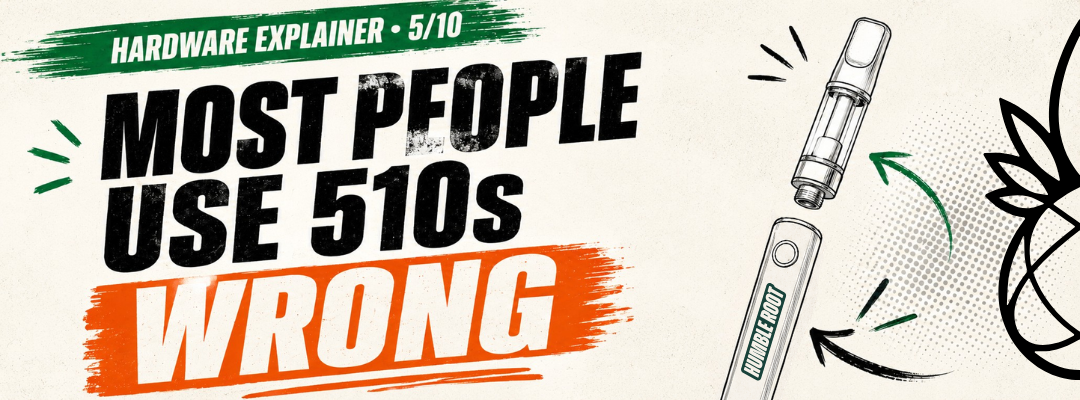
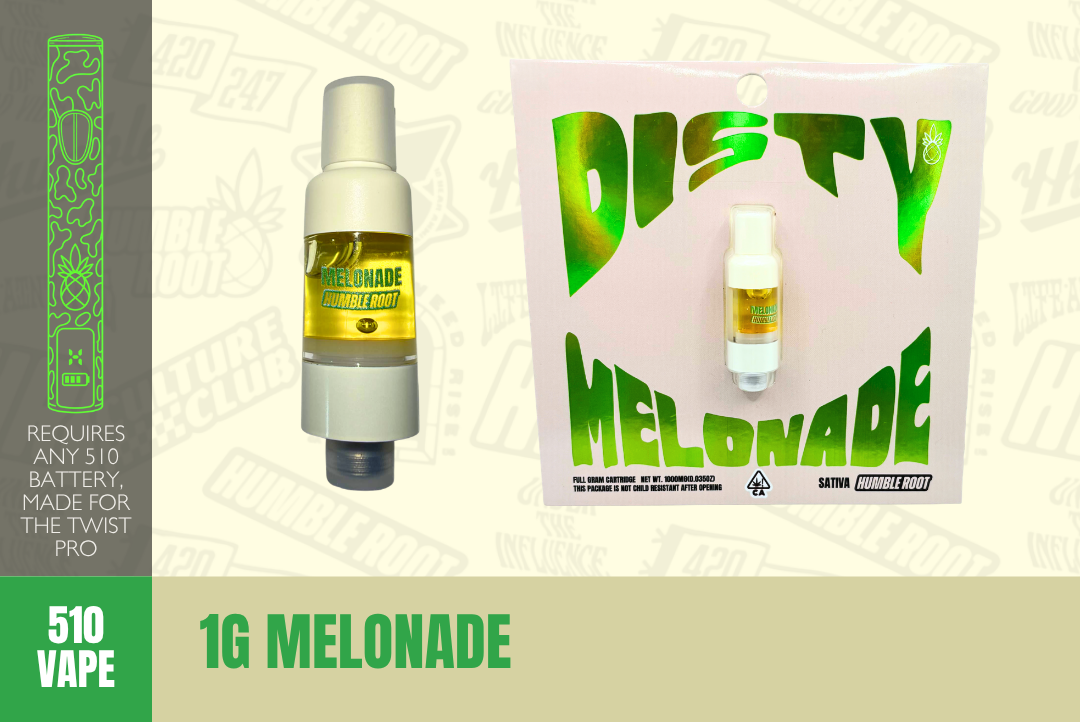
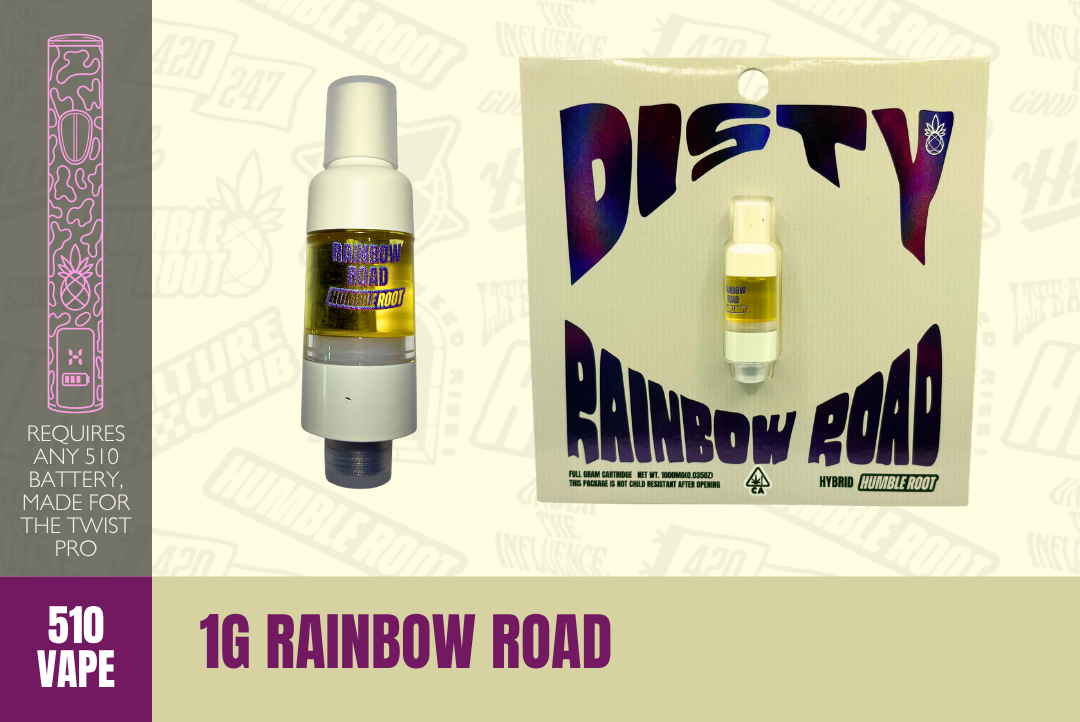
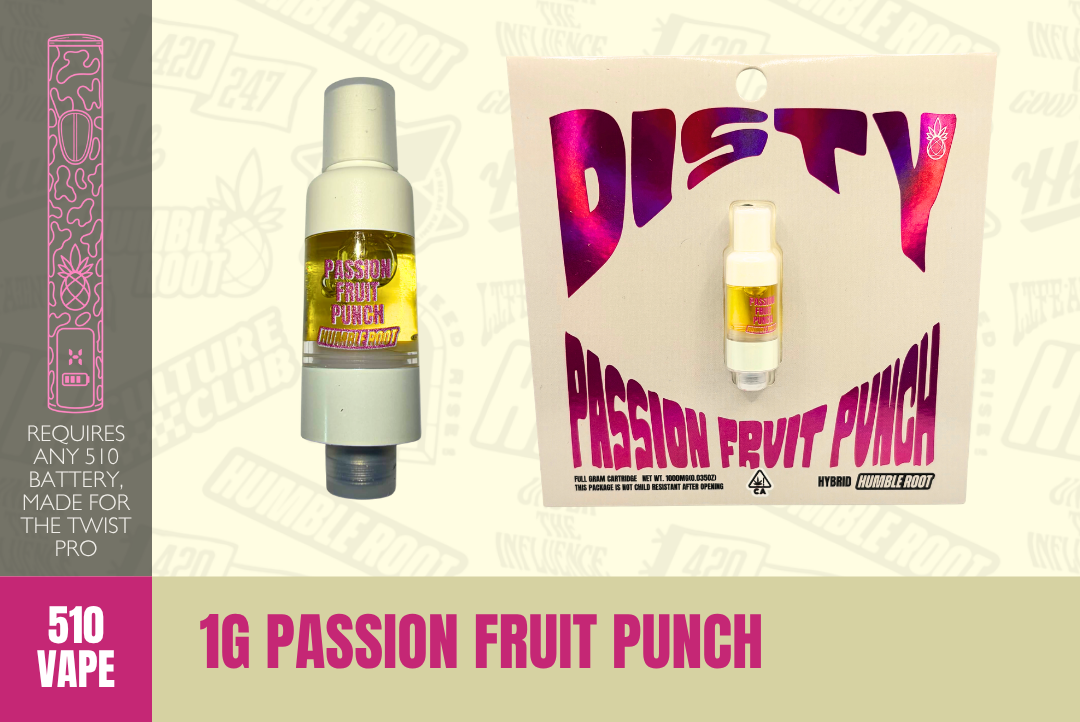
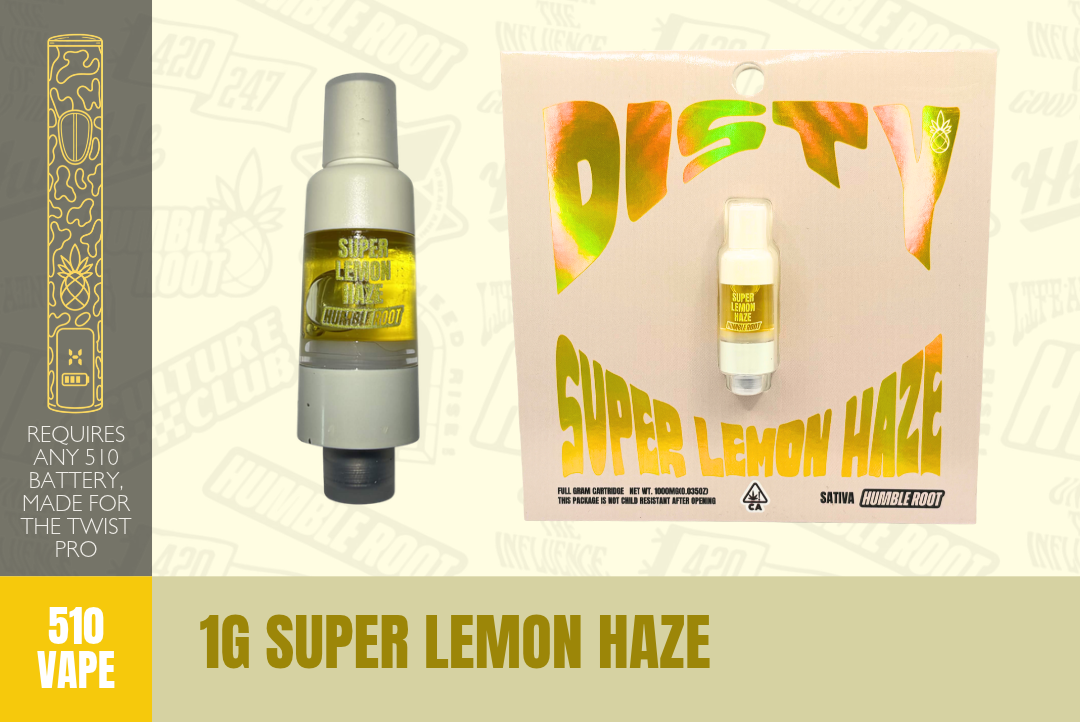
“510” usually refers to the common threaded connection between a cartridge and battery. It’s the little screw-on part that lets the cart and battery talk to each other.
Think of it like the USB-C of carts, except somehow more mysterious and easier to over tighten.
Most 510 carts are made to work with many 510 batteries, but that doesn’t mean every combo is perfect. Hardware quality, voltage settings, airflow design, and oil thickness can all change the way it feels.
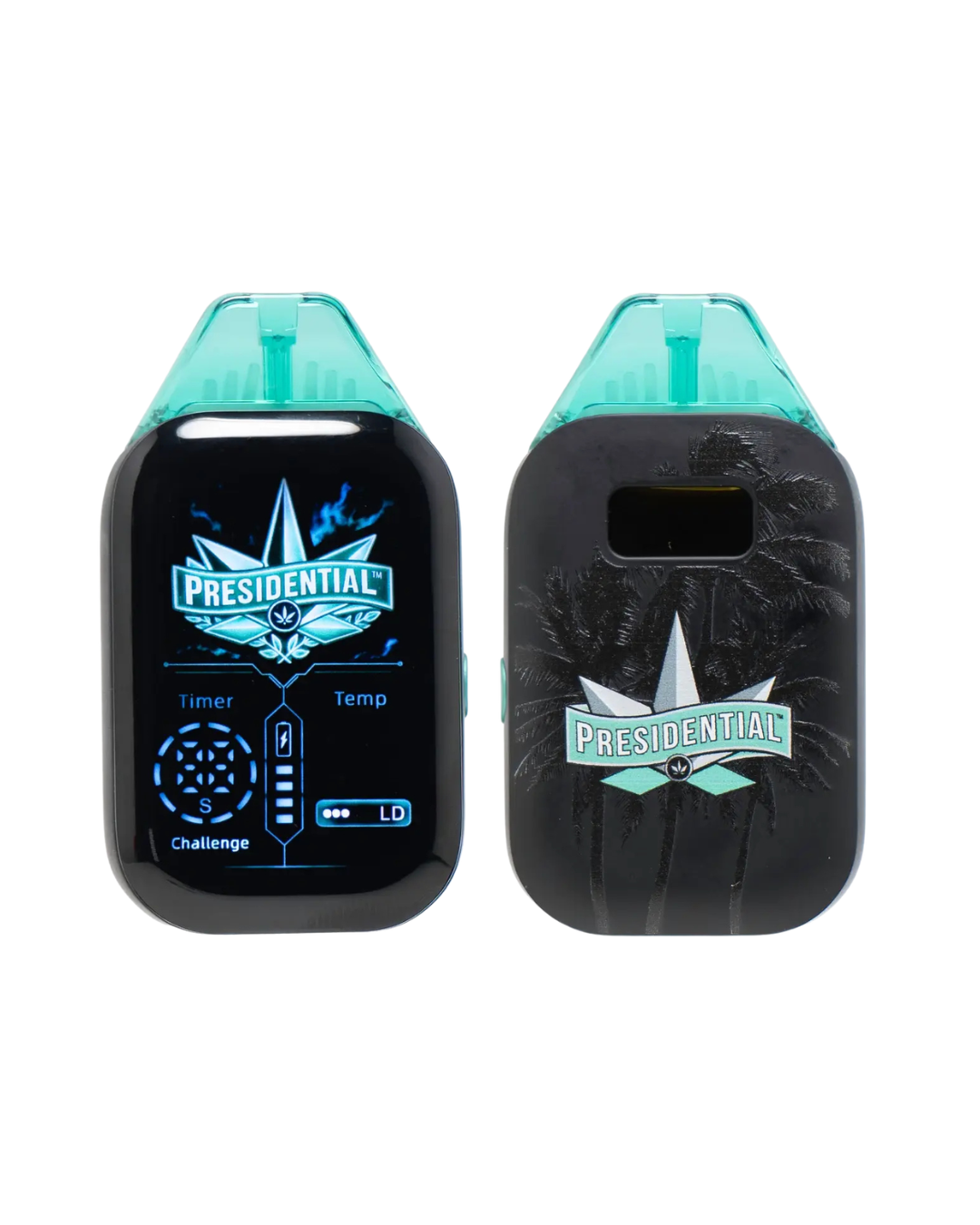
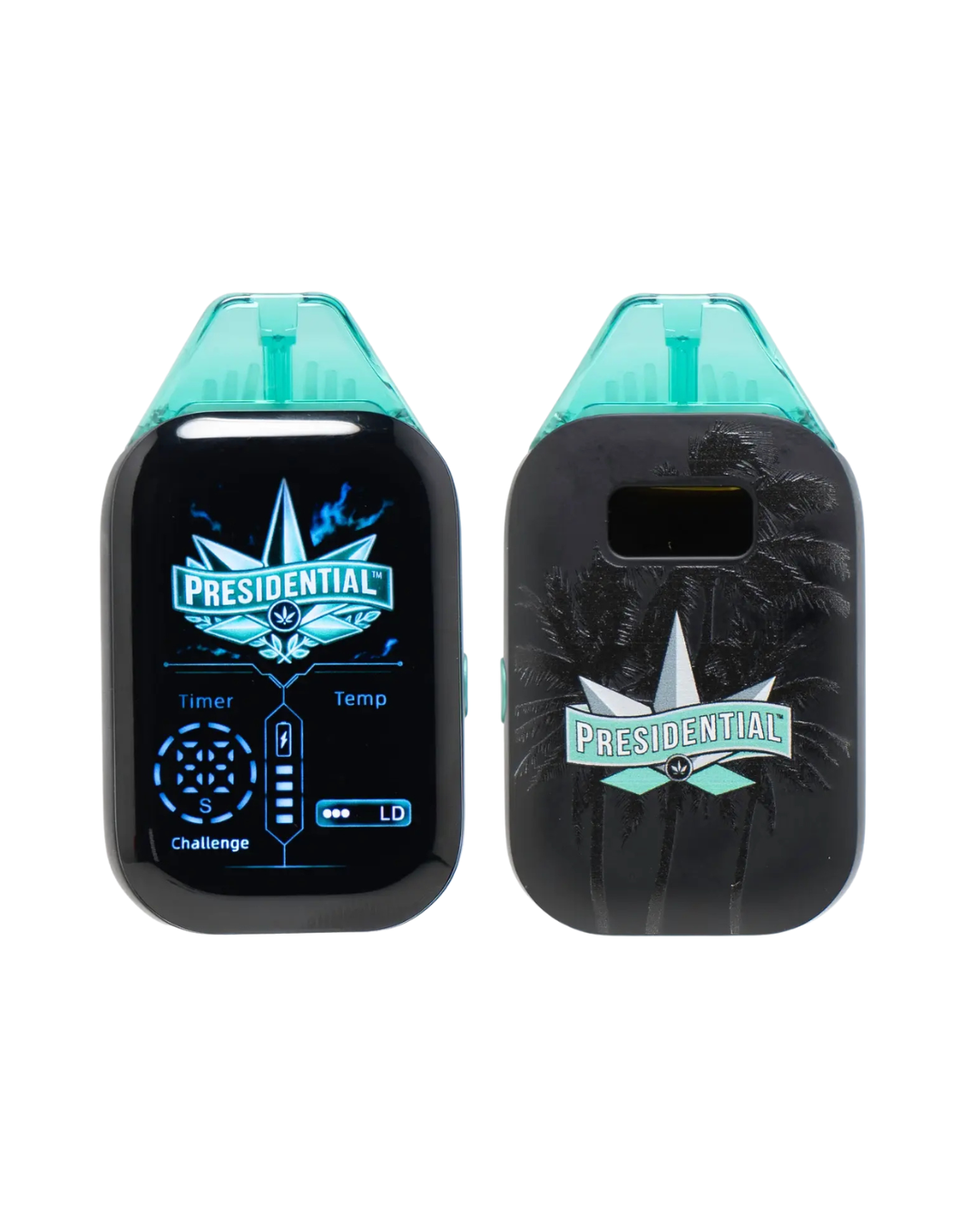
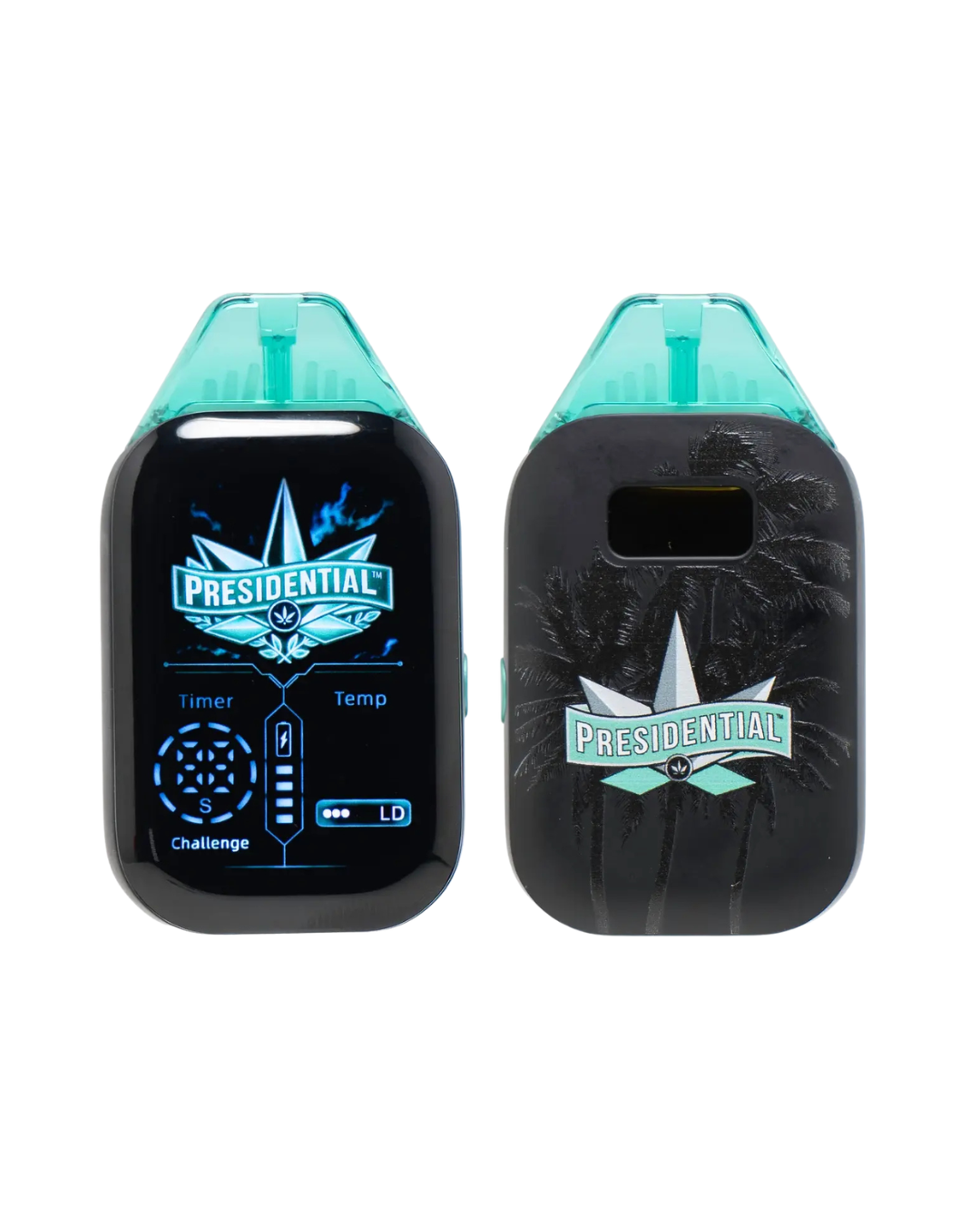
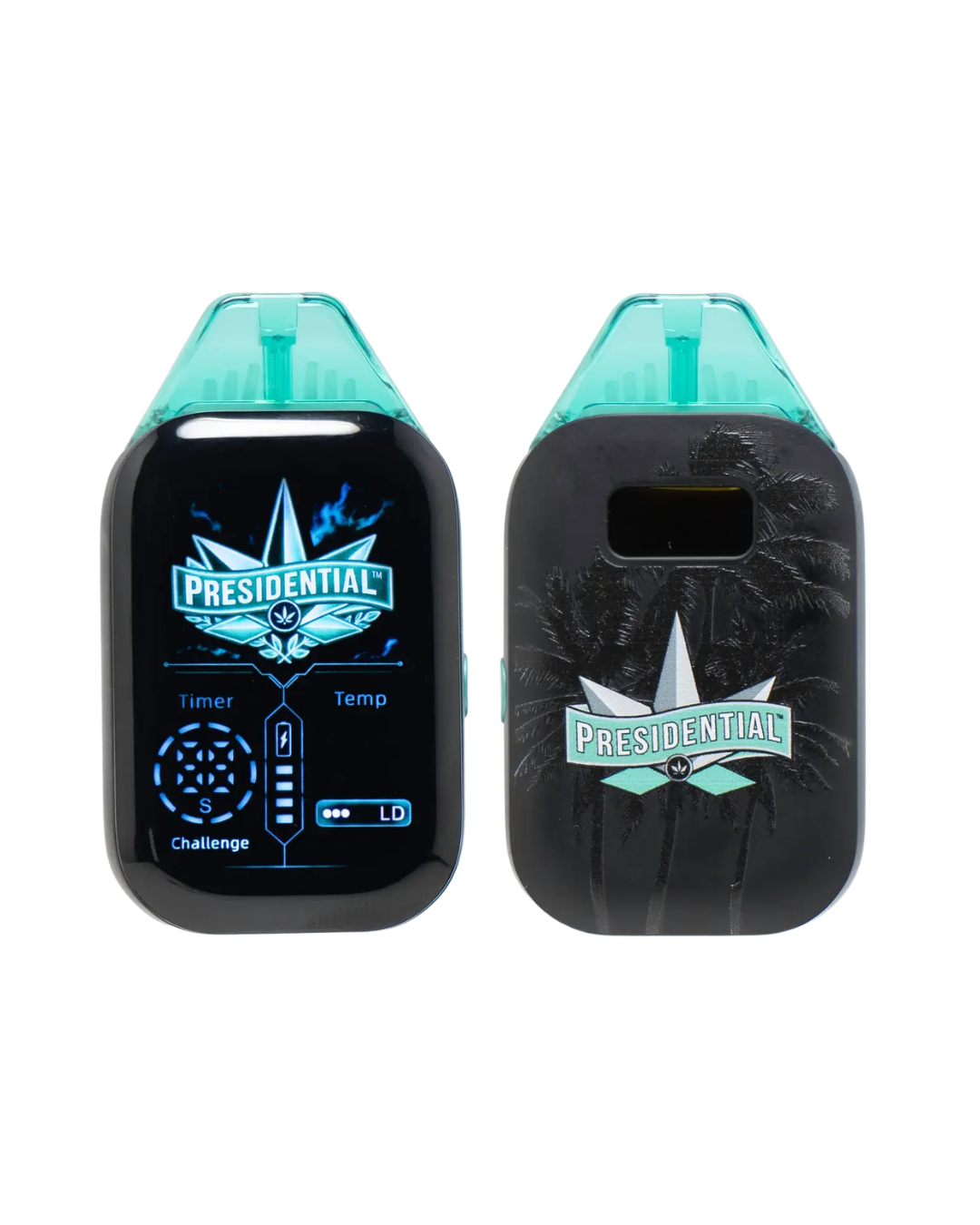
#1 Prime It Before You Blame It
Priming sounds fancy, but it’s simple. It means giving the oil a little time to reach the atomizer before you go full goblin mode.
This matters most when:
- The cart is fresh
- The cart has been sitting for a while
- The oil is thick
- The hardware is cold
- You just attached it to a new battery
A good basic routine:
- Let the cart sit upright for a few minutes.
- Use a short preheat if your battery has one.
- Take 1 or 2 gentle starter pulls.
- Wait 30 to 60 seconds if it still feels slow.
Going too hard too fast can lead to weak flavor, clogging, or that burnt taste that makes you question every life choice that brought you here.
#2 Voltage Is the Secret Menu
Most people see battery colors and just start pressing buttons like they’re trying to unlock a Mario Kart cheat code.
But voltage matters. It controls how hot the atomizer gets, which changes flavor, output, and harshness.
A simple voltage guide:
- Low: 2.2V to 2.6V
Better flavor, lighter output - Mid: 2.7V to 3.1V
Balanced feel, good starting zone - High: 3.2V to 3.8V
Stronger output, more chance of harsh taste
Start low, then adjust. You can always go hotter, but once something tastes burnt, you can’t exactly un-toast it.
Also, battery color codes vary by brand. One battery’s green setting might not match another battery’s green setting. Annoying? Yes. Worth checking? Also yes.
#3 Small Hardware Details Matter
A lot of cart issues come from little things that are easy to miss.
Dirty contacts can weaken performance
The metal connection between the cart and battery can collect residue. Clean it gently with a cotton swab lightly dampened with isopropyl alcohol. Don’t soak it. We’re cleaning a battery contact, not baptizing it.
Cold hardware can make thick oil move slower
If your cart has been sitting in a cold car or chilly room, it may need a little warm-up time.
Chain hits can overheat the cart
Back-to-back pulls can make the hardware run too hot. Pause 30 to 60 seconds between pulls if things start tasting harsh.
Keeping carts upright can help reduce leaks and clogs
It’s not magic, but it helps. Tossing a cart sideways into a bag and hoping for the best is how tiny disasters are born.
#4 Post vs. Postless Carts
Some carts have a visible center post inside. Some don’t. That’s where the “post vs. postless” conversation comes in.
Post carts usually have:
- A visible center rod
- A classic internal layout
- A common, familiar style
- A draw some users find consistent
Postless carts usually have:
- No visible center rod
- A more open oil view
- A design many users prefer for flavor
- A feel some people describe as smoother and more direct
Postless carts get a lot of love, and some people swear the oil experience feels cleaner or more flavorful. But it’s not automatic.
Oil quality, hardware build, atomizer design, storage, and voltage still matter. A good post cart can beat a bad postless cart all day.
#5 Don’t Overtighten It
This one deserves its own little warning.
A 510 cart should be snug, not cranked down like you’re closing a submarine hatch. Overtightening can mess with the connection, make the cart harder to remove, or cause weird performance issues.
Screw it in gently. Once it feels secure, stop.
The Quick 510 Checklist
Before you decide a cart is trash, run through this:
- Did you prime it?
- Is your voltage too high?
- Are the battery contacts clean?
- Has it been sitting cold?
- Are you pulling too hard?
- Are you chain hitting?
- Is the cart stored upright?
- Is the battery fully charged?
Sometimes the fix is not dramatic. Sometimes it’s just “turn the voltage down and chill for a minute,” which is honestly solid life advice too.
Final Hit
510 carts are convenient, but they’re not completely foolproof. A little hardware knowledge can make a big difference in flavor, consistency, and how smoothly everything works.
Prime fresh or cold carts, start on lower voltage, keep things clean, and don’t treat your battery like a power tool.
Your cart will thank you. Probably not out loud, but spiritually.